
What Poland Taught Me About Traveling When the Weather Refuses to Cooperate
I pictured the Tatras beneath crisp autumn skies, with miles of hiking ahead of us. But the mountains had other plans.
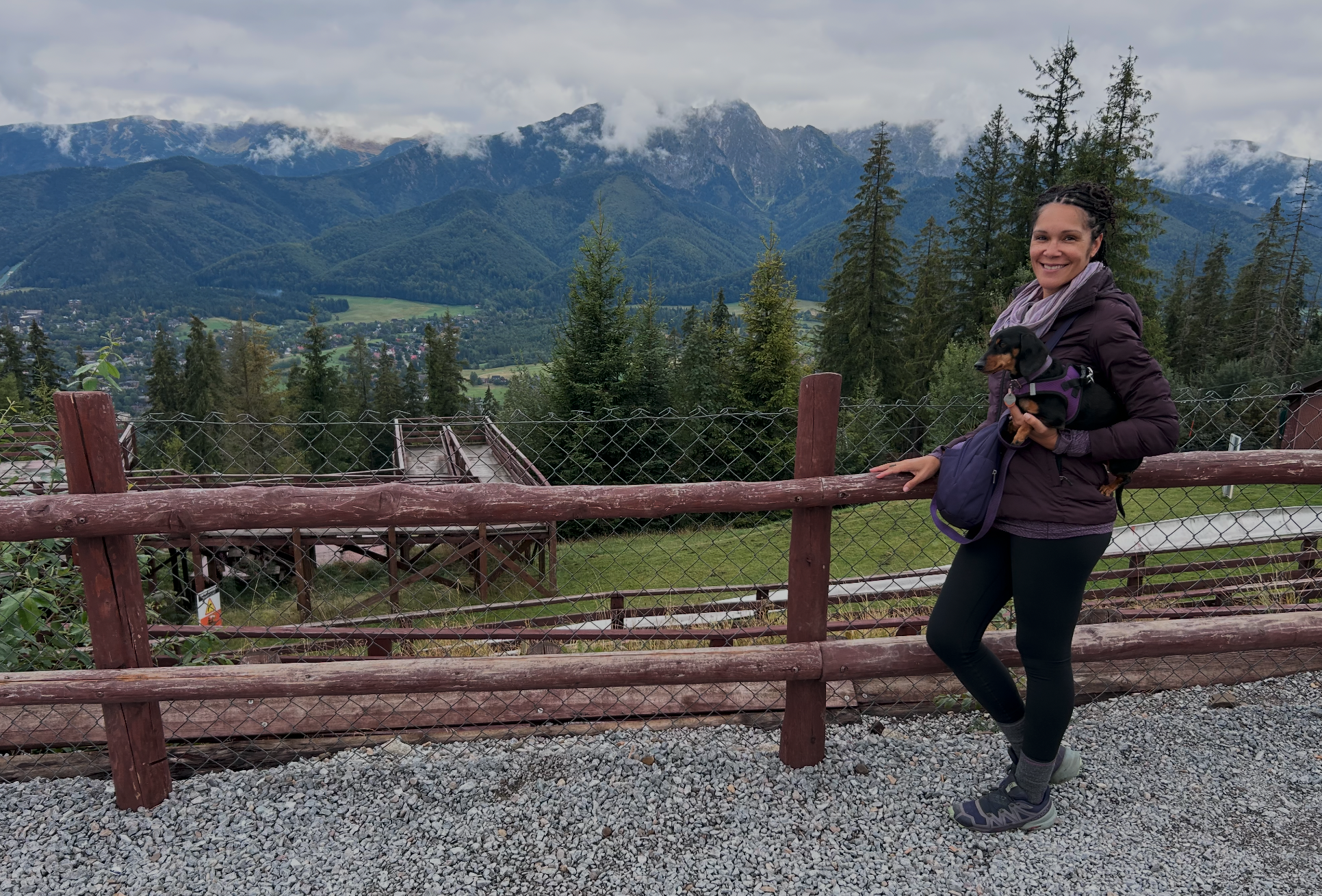
Clouds moving through the Tatras above Zakopane.
The first disruption came before we even left our village in Hungary. Our car broke down, which meant calling a friend and my father in law for an emergency rescue and repair. By the time we finally got back on the road, we were hours behind schedule.
Instead of taking the scenic route across the Tatras in daylight, we arrived much later than planned, driving through a haze of evening fog and drizzle that swallowed most of the mountain views. It was a fitting introduction to the weekend.
Zakopane was one of those trips I could already see in my head: mountain views, long hikes, and that perfect early fall weather that makes every photograph look like it belongs in a travel magazine. Technically, I got the mountain views. I just had to wait for the Tatras to periodically emerge from behind the clouds long enough to see them.
Our weekend was wet, cold, foggy, and far less predictable than I had imagined. The weather seemed to change by the hour and my rain gear turned out to be much better suited for a passing Florida shower than several days in the Polish mountains. At first, I did what I suspect a lot of us do when a trip starts deviating from the version we had pictured: I kept waiting for the “real” trip to begin.
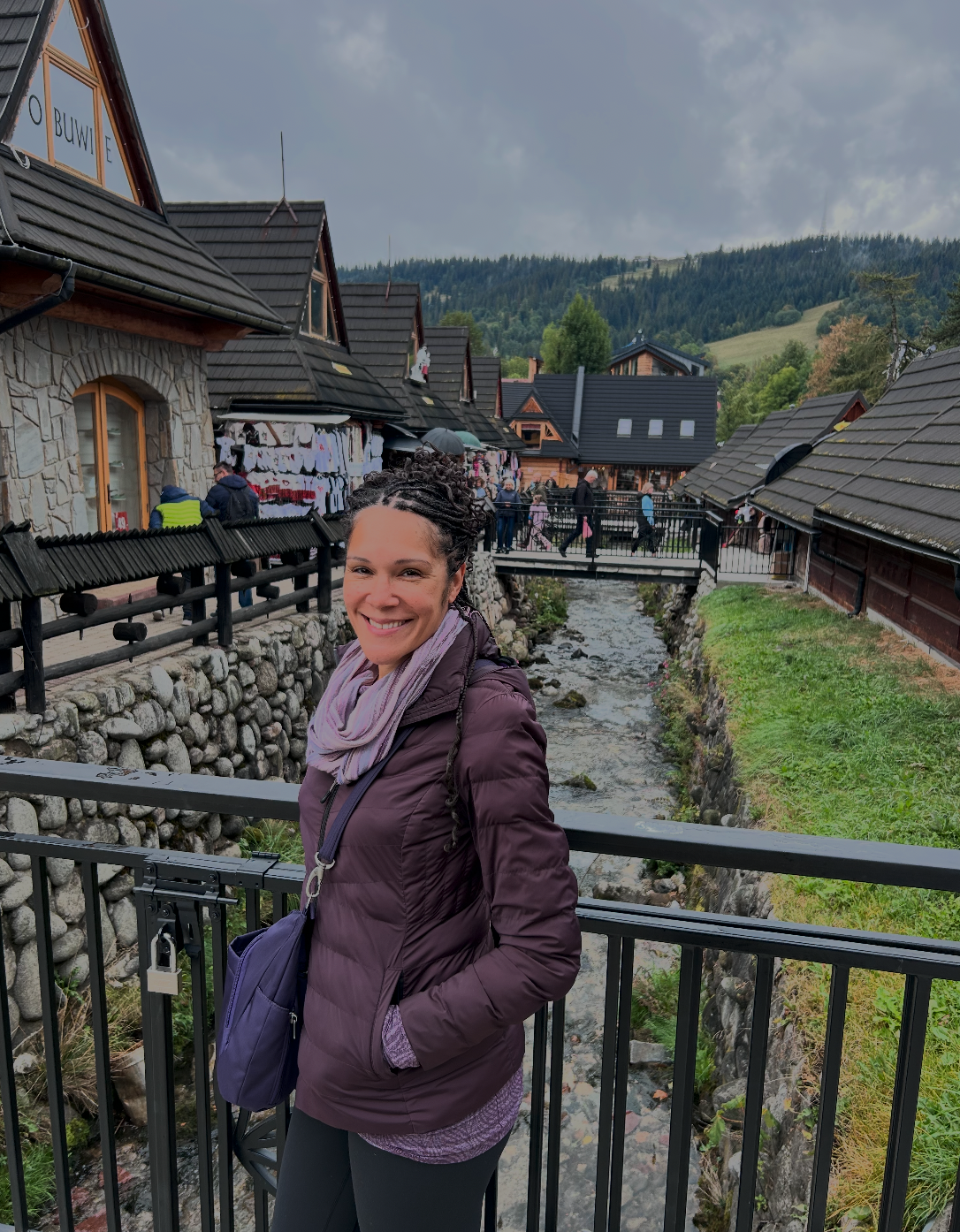
Exploring Zakopane between rounds of rain.
I quietly wished the clouds would lift so we could get the views I had been hoping for. If the rain stopped for a few hours, we could hike the way we had planned. If the forecast improved, maybe we could still fit everything in.
The mountains, of course, did not care about any of that.
Eventually, we stopped trying to make the weekend match the itinerary in my head and started responding to the trip we were actually having. We walked when the weather allowed it, changed plans when it didn’t, crossed into Slovakia, found warm places to eat when we were cold, and laughed about how completely inadequate my rain jacket had turned out to be. The low clouds moved through the mountains all day, sometimes hiding them entirely and then revealing them again just long enough to remind us what was behind the fog.
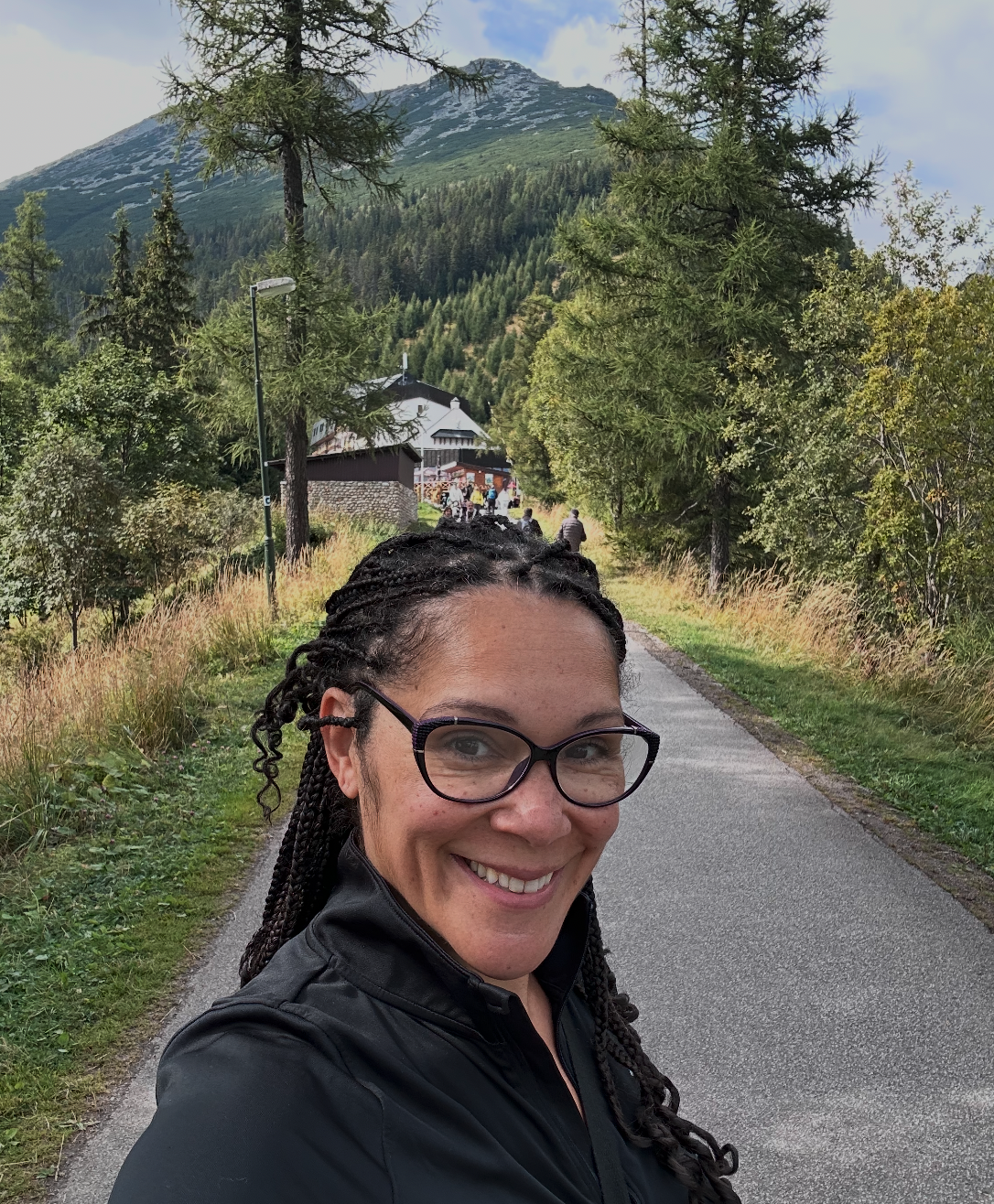
Taking advantage of one of the clearer windows in the weather in the Tatra.
Somewhere along the way, I realized that I wasn’t disappointed anymore. In fact, some of the weather made the trip better.
There was something wonderfully atmospheric about the Tatras in the rain. The forests looked darker and greener, the clouds moved dramatically across the peaks, and coming inside for a hot bowl of soup felt infinitely better after spending hours outside in the cold. Even the moments when we had to abandon a plan became part of the story rather than evidence that the trip wasn’t going well.
Travel has a way of exposing how attached we are to control. At home, I can check the weather, structure my schedule, plan a workout, make a reservation, and generally organize my day around what I expect to happen. Travel gives us the illusion that we can do the same thing somewhere else. We research the perfect itinerary, save the restaurants, map the hiking trails, and build a version of the trip before we ever arrive.
Then we get there and discover that the destination has its own plans.
Weather changes. Restaurants close or turn out not to be quite as dog friendly as expected. Trails become inaccessible. Transportation is late or sold out. The view we came for disappears behind a cloud. We can either spend the day comparing reality to the trip we thought we were going to have, or we can start paying attention to what is actually happening.
That doesn’t mean I’ve suddenly become anti-planning. Quite the opposite. I love researching a destination, and I will absolutely be purchasing much better rain gear before my next mountain trip. But Poland reminded me that there is an important difference between planning a trip well and needing a trip to go according to plan.
Some of my strongest travel memories have come from the days that went sideways: the soaking-wet walk, the meal that tasted disproportionately good because I was freezing, the unexpected detour, the conversation that happened because we had nowhere else to be, or the landscape that only revealed itself for a few minutes before disappearing again.
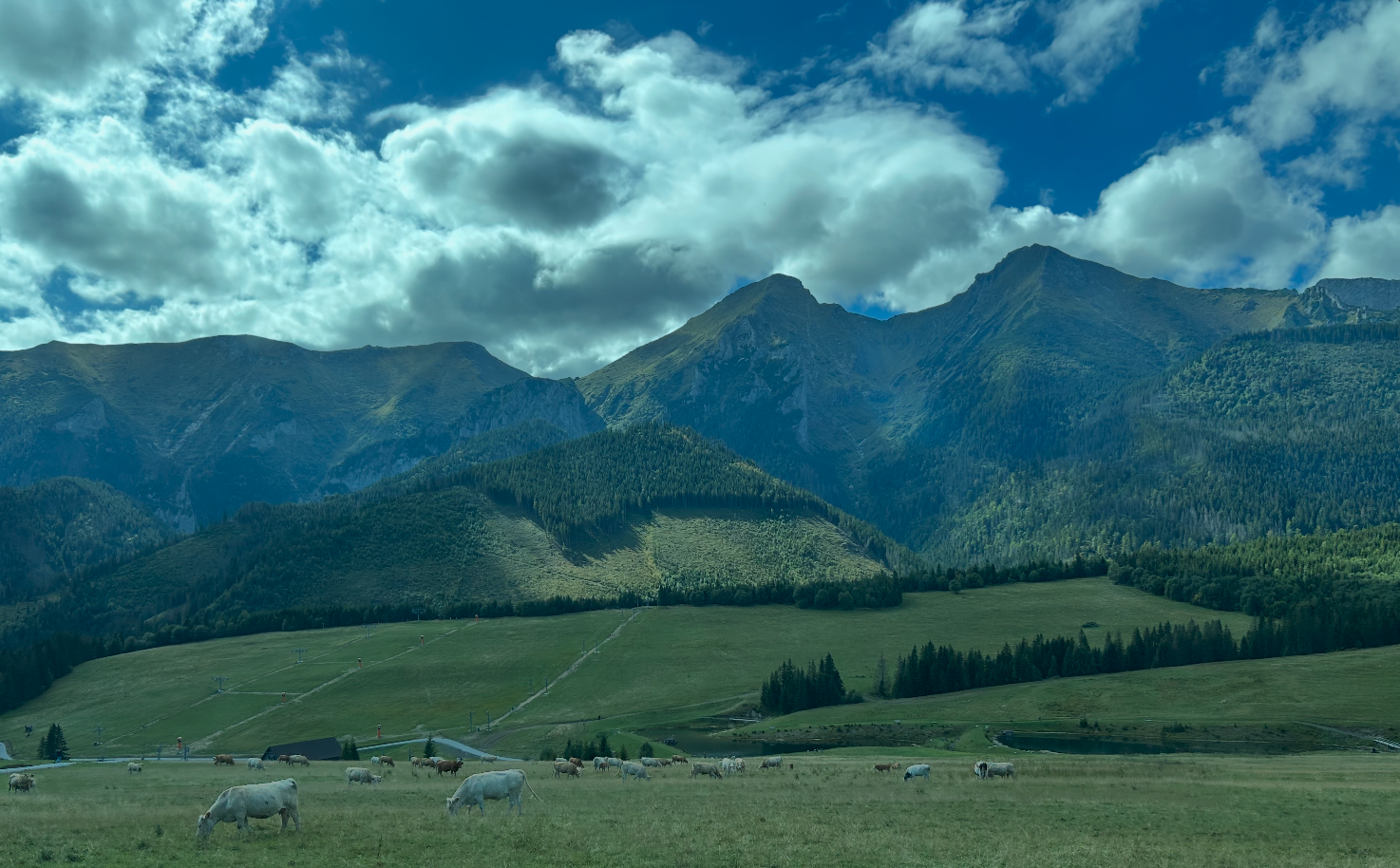
When the clouds finally lifted, the Tatras delivered.
Those experiences are harder to schedule. Maybe that is precisely why we remember them.
Zakopane wasn’t sunny or polished for us. It was dramatic, wet, cold, moody, and constantly changing. It made us adapt instead of simply following an itinerary. By the end of the weekend, I realized I was much less interested in whether I had gotten the “perfect” mountain trip than I was in how much I had enjoyed the imperfect one.
You can research a destination for months, book everything carefully, and pack for every possibility you can anticipate.
Eventually, the place gets the final word.
Poland didn’t give me the weekend I imagined. I think I liked the one it gave me better.
Follow my Field Notes and travels IG @anya_szigeti.